I wanted to share my New Years Day dinner with y’all. While this meal is typically eaten on New Year’s Day for good luck and prosperity, you could enjoy this delicious dinner any time of the year!
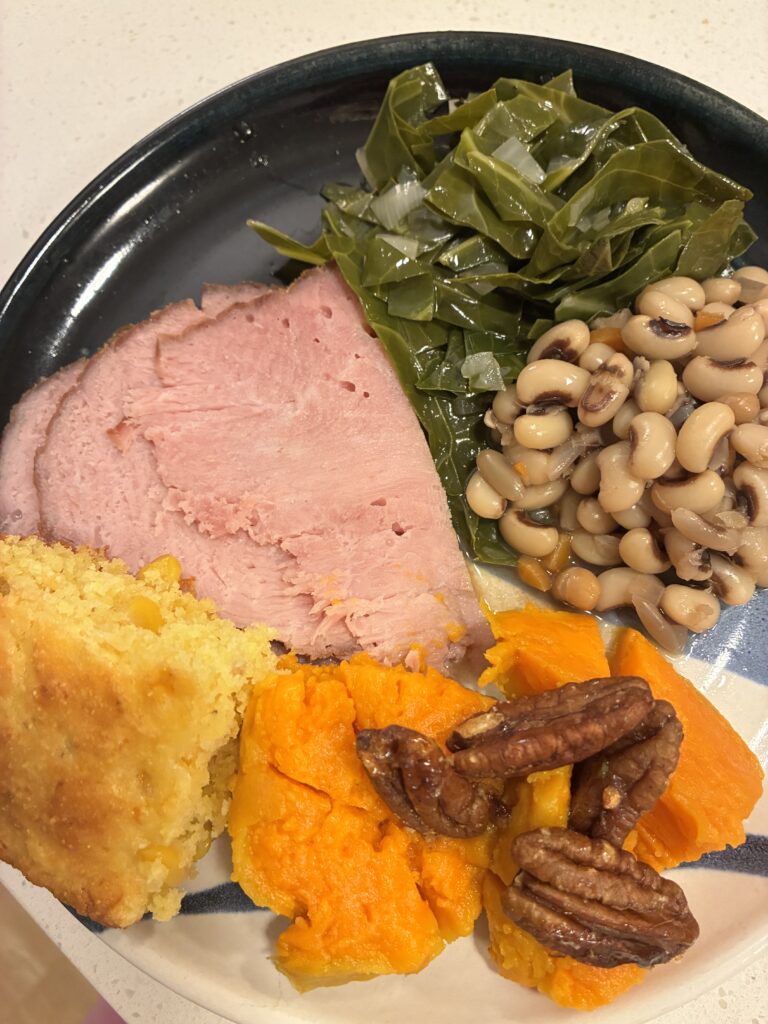
This year I cooked a small ham for me and my husband, along with sweet potatoes, collard greens, black eyed peas and cornbread. This was a true southern meal and my husband, and several friends I shared a plate with, loved it!
I was surprised to learn how many of y’all had never had black eyed peas or had not heard about the tradition of eating them on New Year’s Day, so I wanted to share this recipe with you.
Scroll down below the recipe to see how I put this whole meal together…
Black Eyed Peas Recipe
Ingredients:
1 lb. dried black eyed peas
2 Tbsp bacon fat (or Olive oil)
1 small yellow onion, diced
2 stalks of celery, diced
1 small carrot, diced
about 5 cups of chicken broth
salt and pepper
2 bay leaves
Cayenne pepper or red pepper flakes
1 Tbsp vinegar
Instructions:
Sort thru the beans to pick out any debris. While it’s rare to find a rock in dried beans, you’d much prefer to find it with your eyes than your teeth.
Cover peas with water and soak for a few hours, or overnight.
Heat bacon fat in a large pot over medium heat. Sauté onion, celery, and carrot for 5 minutes until softened.
Drain the beans and add them to the pot. Add broth, salt and pepper to taste, 2 bay leaves and a few shakes of cayenne or red pepper flakes. Bring to a boil.
Turn the heat down, cover and simmer for 30-45 minutes.
Stir in the vinegar and taste. Adjust seasonings if needed. To thicken it, remove the lid and cook for another 20-30 minutes. If you want it thinned out, add more broth and continue cooking. I like my peas to have a little bit of give to them, soft, but not mushy.
Serve with collards, ham, and cornbread for a true southern meal!
Here’s a quick run down of what I did for my NYD dinner:
I made a glaze by whisking together a couple spoonfuls of maple syrup, brown sugar, dijon and powdered mustard and massaged it all over the piggy. Cooked low and slow for a couple hours (I followed the directions on the package for how long to cook it based on the size).
I wrapped two big sweet potatoes (or garnet yams) in foil and baked those until they were soft and squishy – about 90 minutes at 400. Cooked the peas as above.
I washed and chopped my collards, chopped about half a small onion, cooked the onion in some bacon fat, then added the greens and some water and cooked them until they were tender (you could also use butter, or olive oil, and if you have a lil piece of bacon or leftover ham, you can toss it in).
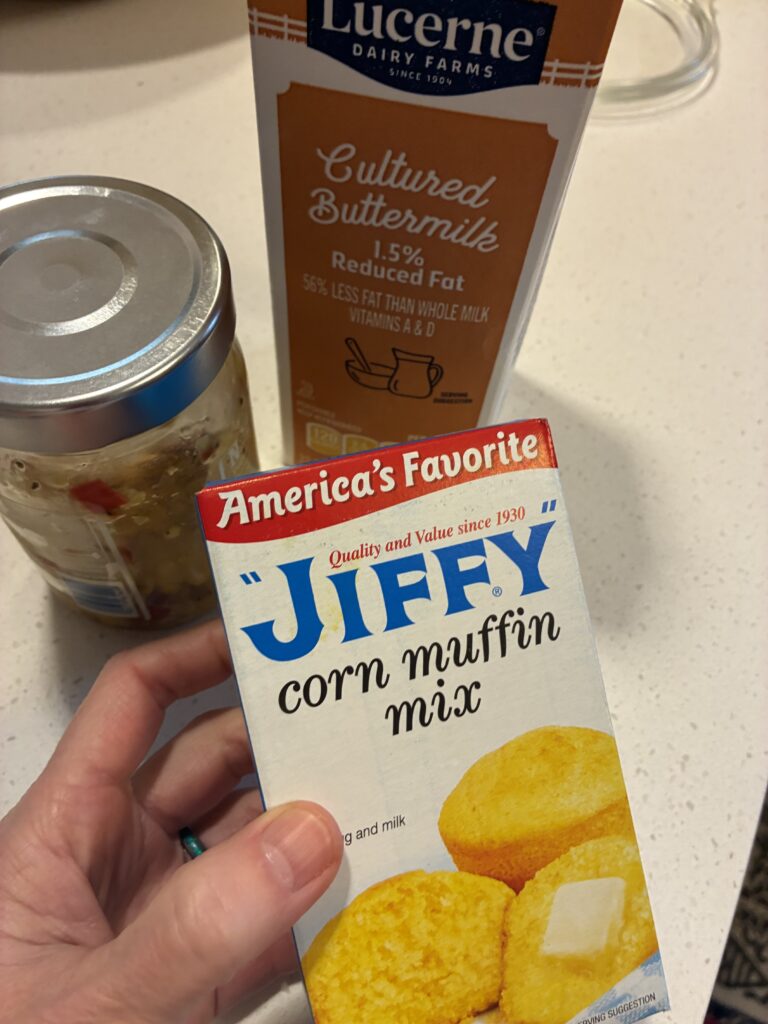
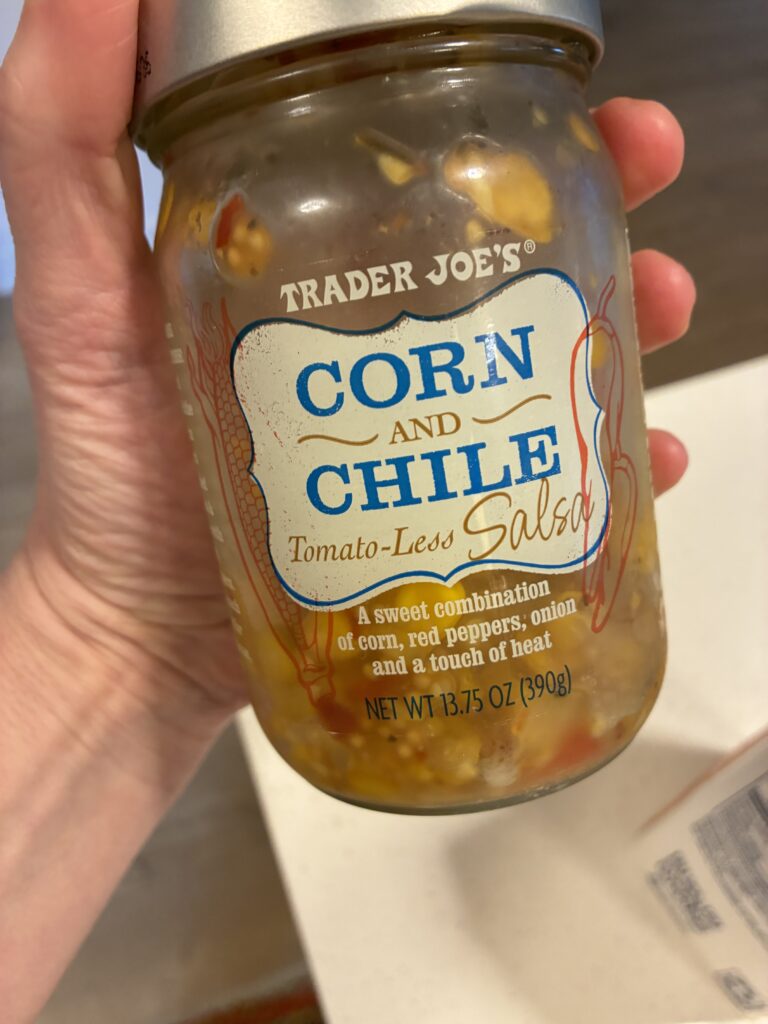
Now here’s the part that’s going to send any foodies into a tizzy, I used a box of Jiffy cornbread mix, added a 1/2 cup of shredded cheese, used buttermilk instead of regular milk and threw in two large spoonfuls of this Trader Joe’s corn salsa.
One of my friends said this was the best cornbread she’d ever eaten, restaurant or homemade!
If you have a sacred cornbread recipe that you love, please use it. If you want a quick, easy pan of hot cornbread that tastes delicious, use the box, baby. Remember, if you prepare a meal in your kitchen, it counts as homemade, no need to make every single part of the meal from scratch!
Speaking of making things easier for yourself, if you want to start with canned beans, just heat them up on a low simmer, add any veggies you like, carrots, celery, bell pepper, and your favorite seasonings. Cook some rice and this would make a quick and easy weeknight dinner.
Do you have a New Years Day tradition? Have you eaten this type of meal? If so, I’d love to hear from you!
~Anne
I’m a Vancouver, Washington based Personal Trainer and Licensed Massage Therapist.
I offer these recipes to tickle your tastebuds, please see your medical professional for specific dietary advice.
Free Energy Flow class Thursday January 1st at 6 pm
Join us from the comfort of your own home as we cruise through gentle tai chi type exercises. Can be done seated or standing. No equipment needed. All levels welcome.
Here’s a short video demonstrating some of our moves:
This is not your typical Tai chi class. My ladies are silly, chatty, and fun!
Last week several of them were on a cruise and they tuned in from the cruise ship in the middle of the Pacific Ocean. We’ve been working on a balance exercise where you stand on one leg and take your sock off, and they were able to do it while the ship was rocking and rolling!
If you want a HIIT class with cardio sprint intervals and medicine ball slams please do not come to this class, as you will be disappointed.
If you’re new to or returning to exercise, you want to experience easy and fun movement, you want to kick off the new year with happy people who are warm and welcoming, this is the class for you!
In a recent newsletter I asked you, “what is Thai massage?”
Here are some of the responses I’ve received:
gentle stretching and relaxation
pressure with hands and feet to aid in releasing muscle tension
feeling lighter, more mobile, and with a lifted spirit
How is Thai massage different?
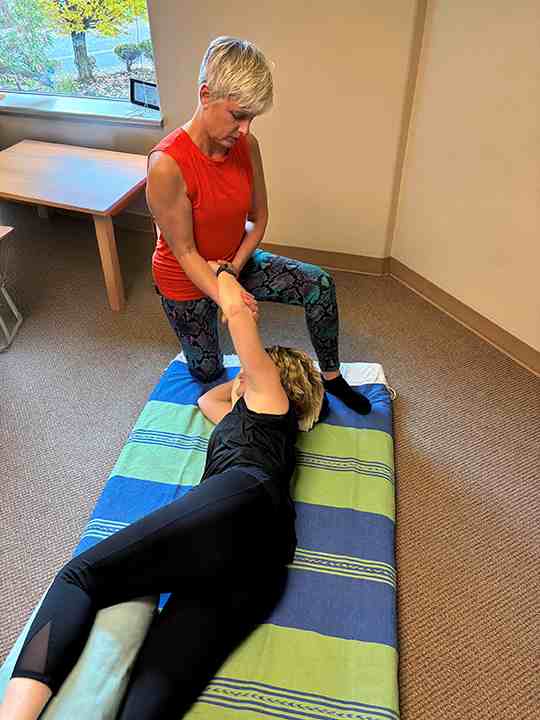
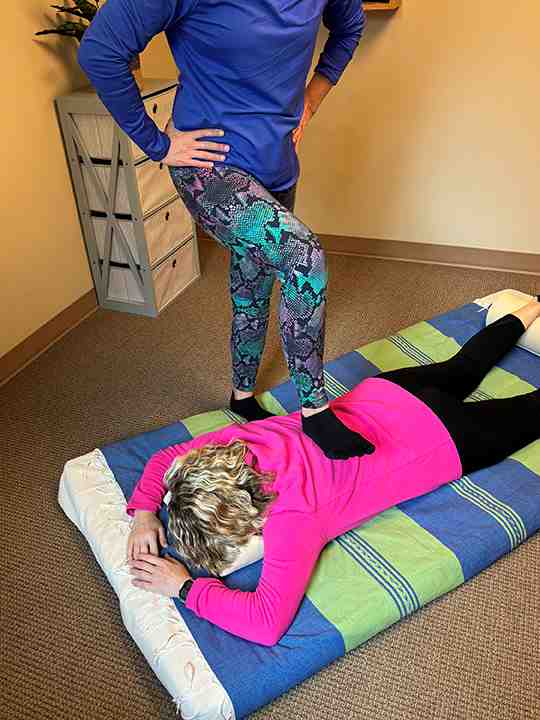
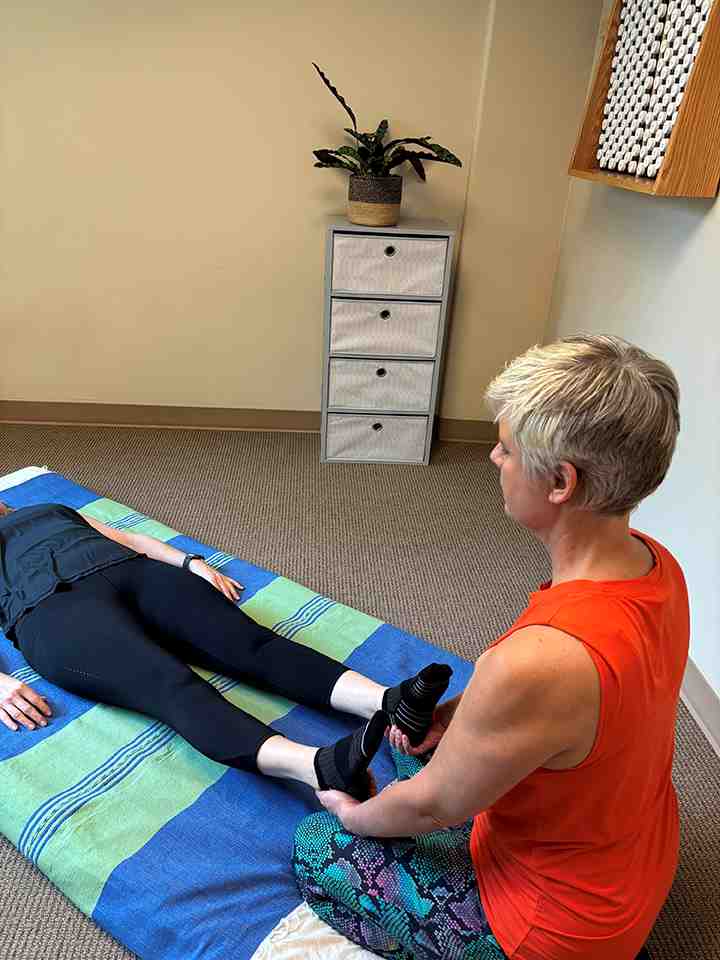
You rest on a padded mat on the floor instead of a massage table. You are supported with bolsters and pillows.
I use my hands and feet to press gently in a rhythmic, wave like motion. While the goal of this work is moving energy, you may also experience softening of tight muscles, as well as immediate reduction in your pain levels, reduced stress, improved relaxation, and better sleep.
Using my feet to massage you allows me to leverage my body weight, while giving specific detailed pressure.
Is this a deep tissue massage?
My goal with this work is deep relaxation, we’re reassuring your body that it’s ok to be soft, to let go. I am asking you to cooperate with me, not grimace, resist, check out, or hold your breath to “get through” the session.
This is not “deep – I’m trying to insert my finger as deep as I can into your tissue” massage. This work can be “deep” in that together we’re gently peeling back the layers of tension, allowing for deep relaxation, encouraging your body to let go. This can be hard work. This requires you and I to be vulnerable, curious, and open to any outcome.
This work is subtle. We’re not attacking your muscles with a sledgehammer, we’re nudging, waiting, asking the layers of tension to slowly soften.
Who is this work for?
If you feel stressed, have trouble sleeping, your body feels tight, or you want to feel better in your body, this work is for you.
If you are comfortable getting down on the floor (and back up), you are open, curious, patient, and kind to yourself (or are trying your best to move in that direction) this work is for you.
If you’re curious about what can unfold when you soften and allow for space, Thai massage (and specifically the style that I practice) can do wonders for your body and soul.
Who is this NOT for?
If you often complain that therapists “do not press hard enough” you will not be happy with this style of soft tissue work. If you do not want to get better, this is not for you.
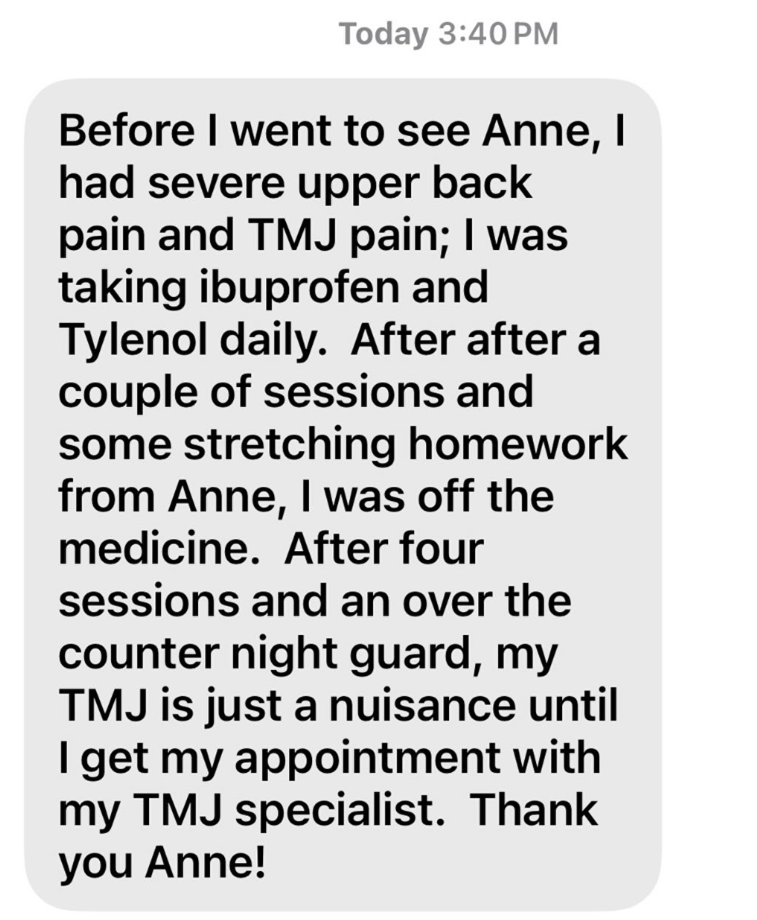
Here’s a testimonial from a client I worked on this month, who was suffering upper back and jaw pain, and headaches. We did four sessions, starting gently, and working up to more intense neck and jaw work. He’s no longer taking pain meds and is back to resuming daily activities, like working out and dancing.
Contact me today to schedule.
Anne@ FluidPortland.com
503-705-4762.
Here are my next available appointments at my Hazel Dell office in Vancouver.
Friday June 19th at noon or 3 pm
Friday June 26th at noon
Friday July 10th at noon or 3 pm
If none of these times work, reach out to me about other options.
This week your challenge is to look for a daily delight.
For bonus points, send me your daily delight. Text me a photo of a bird you saw on your walk, or a cute baby. Email me something positive. Did you compliment someone, did a stranger hold the door for you? Share your daily delight with me or someone you love!
For inspiration on finding joy, I read Ross Gay’s book Inciting Joy.
He dismantles our false belief that joy is the opposite of what’s going on in the world right now. That joy is frivolous. Or the result of an accomplishment, doing, or achieving.
He writes:
“…we often think of Joy as meaning “without pain” or “without sorrow – which, to reiterate, our consumer culture has us believing is a state of being that we could only buy- not only is it sometimes considered “unserious” or frivolous to talk about joy (i.e. but there’s so much pain in the world!), but this definition also suggests that someone might be able to live without-or maybe a more accurate phrase is free of- heartbreak or sorrow.
But what happens if joy is not separated from pain? What if joy and pain are fundamentally tangled up with one another? Or even more to the point, what if joy is not only tangled with pain, or suffering, or sorrow, but is also what emerges from how we care for each other through those things?
What if joy, instead of refuge or relief from heartbreak, is what effloresces from us as we help each other carry our heartbreaks?”
Why joy is important right now:
If you watch the news you’d think were going straight to hell in a handbasket. Downtown Portland is under siege! The price of food is skyrocketing! Bad people are doing bad things!
Since I don’t watch the news (well, unless you count Reddit, my trusty news source) I do not believe that the world is a dumpster fire.
I believe that people are looking out for me. That good things are happening to me every day. I choose joy over fear.
You can choose joy every day.
You can find delight in cooking delicious food like Nona here. You can have fun moving your body like Miss Shirley. You can rest, nap, or stare out the window, guilt free, knowing that taking breaks is good for your brain, your soul, and your creativity. You can give over worry or anxiety because you have faith that good things are happening.
You can know that by taking good care of you, you are doing good in your little part of the world and that your positivity is rippling out, impacting everyone. Start by noticing daily delights.
I’m not asking you to stick your head in the sand. I’m asking you to rise above the bullshit. Walk away from anything and anyone who is trying to drag you down. Let it go. As the swifties say shake it off.
While I’ve been leading y’all through a fall program for several years now, this was the first time I focused on these themes of protein and produce, walking and weights, rest, faith, and joy.
I’d love to hear how this went for you. Which week felt easy, which week was challenging. Did you learn anything new about yourself?
How could I improve on this in the future?
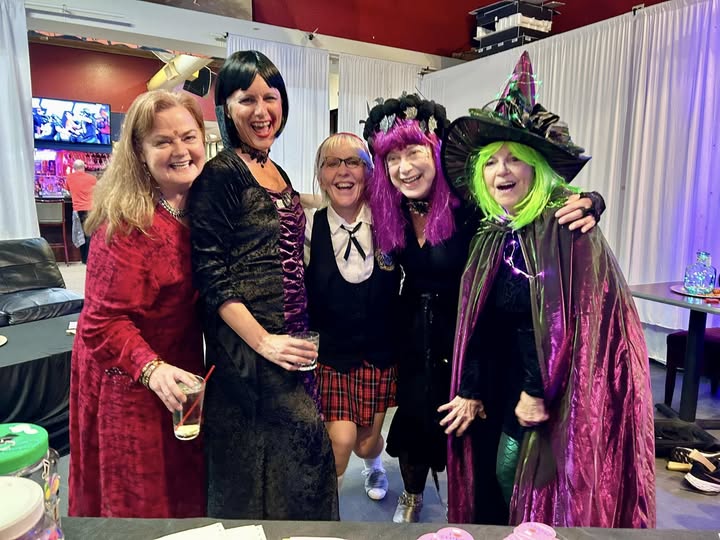
One of my favorite things to do is dress up in costume. I’ve been volunteering at Camas First Fridays since we moved to East Vancouver three years ago. Each month there’s a new theme (which means a new costume for Anne).
I’m also a board member of Cascade Zydeco, a local non-profit whose mission is to promote Cajun and Zydeco music and dance. We have monthly dj dances, lessons, and live music events.
I prioritize going to these events because they bring me so much joy!
If you need more joy in your life come the next Camas First Friday (pie theme) Friday November 7th, or meet me on the dance floor at the Cascade Zydeco Halloween party (costume optional) Wednesday October 29th.