Thanks for your feedback about our Fall Reset!
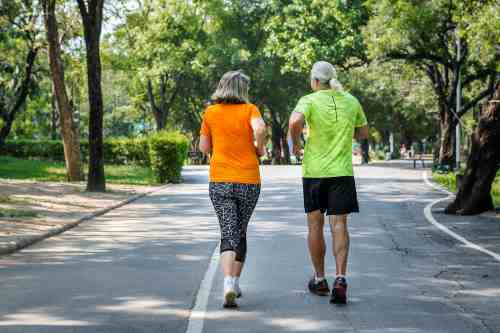
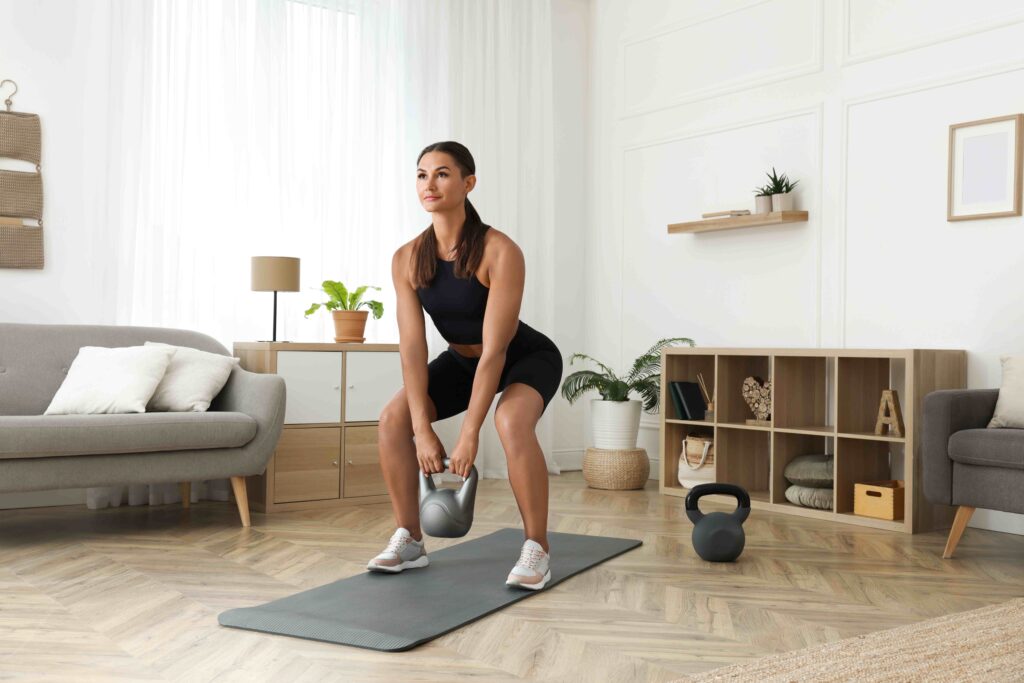
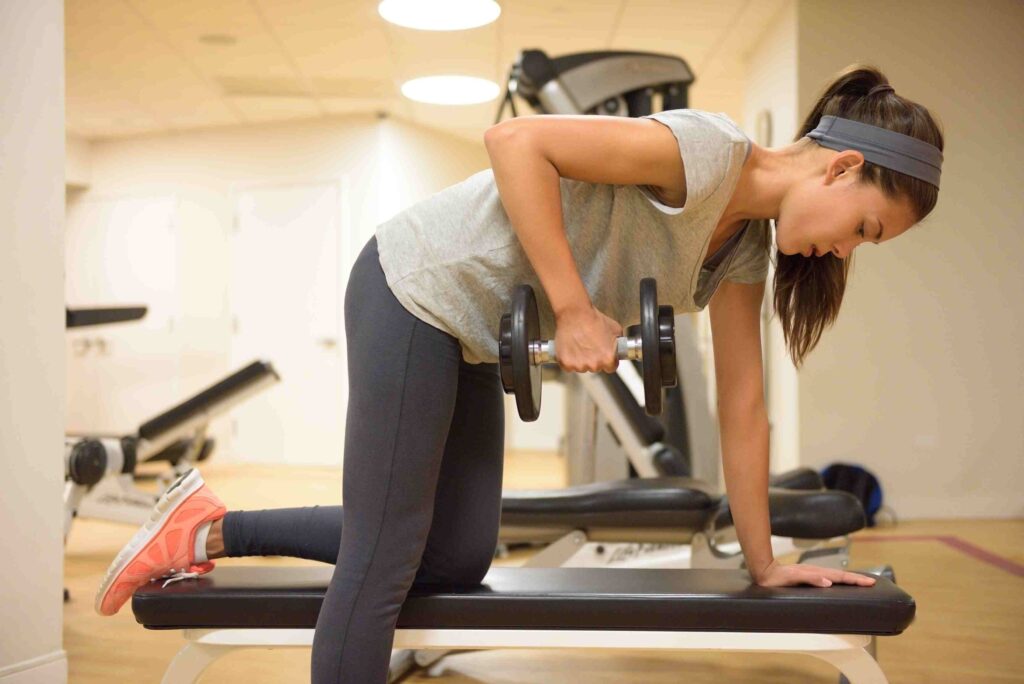
So far, we’ve covered nutrition, eating plenty of protein and veggies, moving your body in healthy ways, by walking and lifting weights, and setting aside time each day for rest.
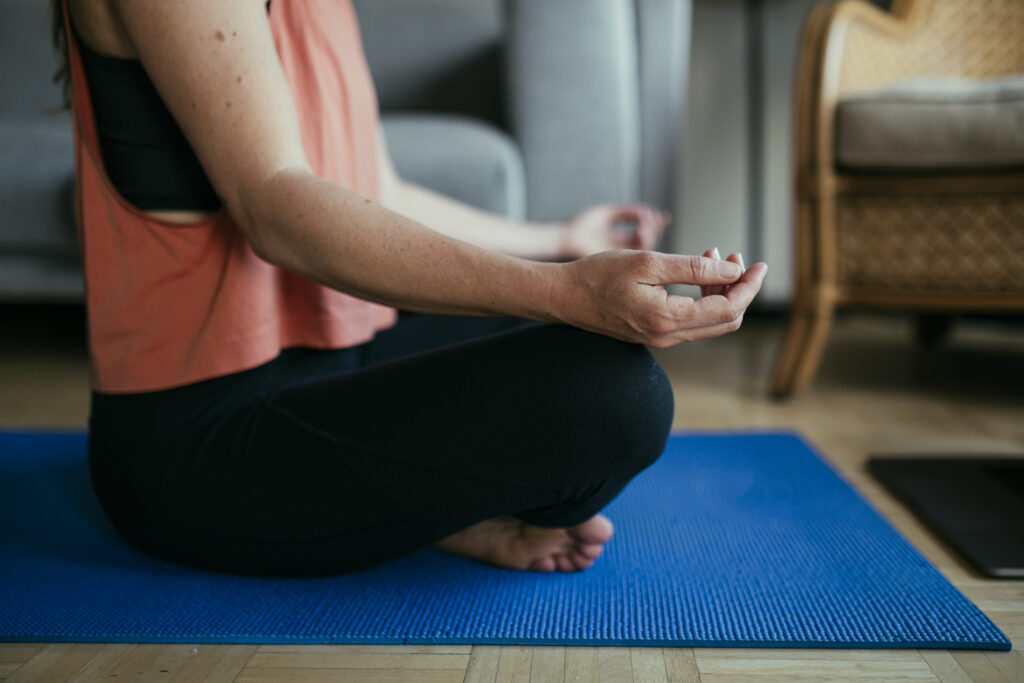
This week, think about what faith means to you. Have you overcome hardships in the past? Do you have faith in yourself? Do you believe that good things are happening?
If your faith needs a boost, you CAN strengthen the muscle that helps you build resilience, mental toughness, and have reassurance that you will get through difficult times.
One way to do that is by daily writing.
This week I challenge you to write for five minutes every day.
Set aside 5 minutes today and write this down (not typed into your phone, or talk to text, or voice memo, but actually sit down and put pen or pencil to paper):
I seek now a clear vision of what I am to do today. I control the things I can, and let go of the rest. I do all that I can, then let go of the outcome. I have faith that my higher power is looking out for me and wants the best for me. I live in a world of abundance. I let go of fear, anxiety, or a scarcity mindset. Today, I have faith that everything is working out for me. I have everything I need.
If these words don’t resonate with you, write what makes sense to you.
Maybe something as simple as “I have faith that everything is working out for me”.
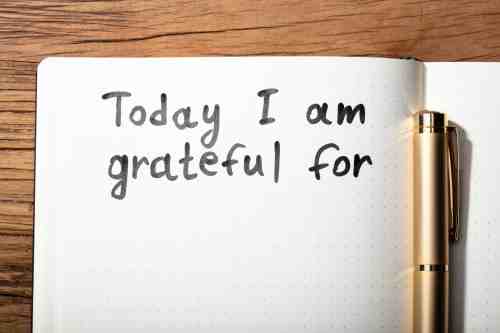
Keeping a gratitude journal is another way to remind your brain that good things that are happening right now. Write down one thing you’re thankful for today. This could be something simple like hot running water, comfortable furniture, a roof over your head.
If you already have a daily practice that includes prayer, meditation, or journaling, keep it up!
If you try any of these suggestions and they help you feel calmer or more centered, please let me know. I’d love to hear from you!

To prep for this week, I read Jimmy Carter’s book “Faith”.
He talks about the meaning of faith, and how it impacts our lives and the world. While there are many types of faith, his is based in Christianity, and God’s love.
In his book, Carter describes navigating the duality of politics and Christianity. He believed that it was his responsibility to inject the moral and ethical values of his faith into the processes of government. At the same time, he said, “there must be an absolute prohibition against granting any control by government over our religious freedoms.”
My Grannie Mattie was a big fan of Jimmy Carter. In fact, on more than one occasion the “Primetimers club” from her Methodist church packed everyone on a bus and carried them up to Jimmy Carter’s church in Plains, Georgia to listen to him lead a bible study.
My Grandmother would have been 99 years old this month, so I’ve been thinking about her a lot. She was a shining example of faith, hope, positivity, and overcoming hardship with grace.

Here’s my story about a time my faith was tested:
While I look pretty healthy, I’ve been through major medical events, including multiple surgeries. I had a back surgery 11 years ago, and lately (right on schedule for a dicscectomy it turns out) my back and hip have been painful to the point where often sitting or walking causes me pain.
As I look into the possibility of having another surgery, I’m remembering how terrified I felt before my last surgery, and how grateful I felt after. Back then, I was living alone, I did not have health insurance and was in severe pain for months. I was doing all the things in an attempt to stay calm – meditation, stretching, yoga, resting.
I was seeing a chiropractor and acupuncturist who provided me with temporary relief, until even they could no longer help me. Pilates had helped with my back pain when I was in my 20’s, but now I was 40 and the nerve pain was so severe I knew I was not going to Pilates my way out of this one.
I felt terrified and fearful. I imagined having to close my business and going to live with my mom in Florida and no one wanted that (love you Mom :).
What surprised me the most about going through this experience was the massive amount of support I received. I’m not one to ask for help, but I had no choice, I was helpless. I had to accept help from my people. (if you are stubborn like me, here’s a tip, people WANT to help you!).
I had a successful surgery, and every day clients and friends came over to my house with food, or just to check on me. One of my ladies even cleaned my bathrooms!
As I was recovering, my mom came to stay with me for a few weeks. At the end of her visit she said how she’d been worried about me, feeling like I was out here all alone, and she was so happy to see how much love and support I was receiving.
I felt so much gratitude for all the medical staff. After the surgery I found out my surgeon had done thousands of these surgeries, even written books about it. I still remember the sweet face of one of the nurses who prepped me for surgery. She had beautiful, clear, blue eyes and she got right in my face and spoke to me softly, telling me they were going to take good care of me and everything was going to be ok.
This experience taught me a lot about how to treat clients who’ve had surgeries or are dealing with chronic pain. Watching myself and my clients’ recovery processes gives me renewed faith that bodies and hearts can heal.
I have faith that good things are happening.
So, what does any of this have to do with fitness or massage? While I do help my clients get stronger physically, I also take into account the whole person. How are you sleeping, who do you spend time with, when do you take rest breaks?
If you’re not tending to your mental health, you’re missing a big piece of what it means to be truly healthy. If you need help this fall, reach out to me today. I’m booking in-person and zoom appointments for October. We will discuss your goals, and how I can help you succeed. Weekly text check-in? Twice a month phone call? How can I help you stay on track?
xoxo
Anne